How to Tackle NextGen UBE Multiple-Choice Questions
Share
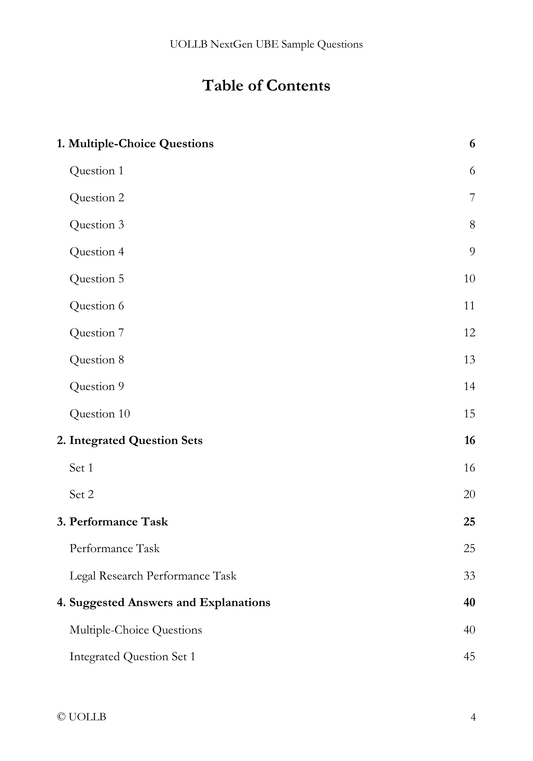
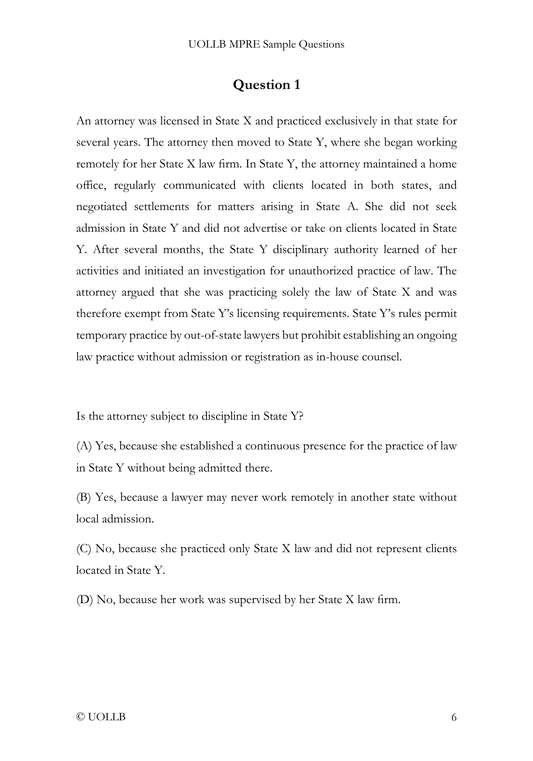
The NextGen UBE standalone multiple-choice questions are designed not just to test knowledge of black-letter law, but to evaluate your ability to apply that knowledge to nuanced, fact-intensive scenarios. Success on these questions requires a combination of doctrinal understanding, analytical reasoning, and careful attention to the precise wording of both the fact pattern and the question stem. Unlike traditional multiple-choice questions, NextGen items often integrate multiple legal issues within a single scenario, requiring you to identify the relevant legal principles before considering potential applications. As a result, it is essential to approach each question deliberately, rather than relying on intuition or memorization alone.
A key skill in tackling NextGen multiple-choice questions is the ability to accurately identify the legal issues presented by the facts. You should read the fact pattern slowly and highlight or mentally note the elements that point to specific areas of law. This involves not only recognizing the general topic, such as contracts, torts, or constitutional law, but also identifying sub-issues that may influence the analysis, such as procedural requirements, affirmative defenses, or statutory exceptions. For example, a scenario involving a contract dispute may require analysis of formation, enforceability, and remedies, while a torts question may implicate multiple doctrines such as negligence, vicarious liability, and contributory fault. Developing this skill requires practice in parsing complex fact patterns and mapping them to relevant legal principles.
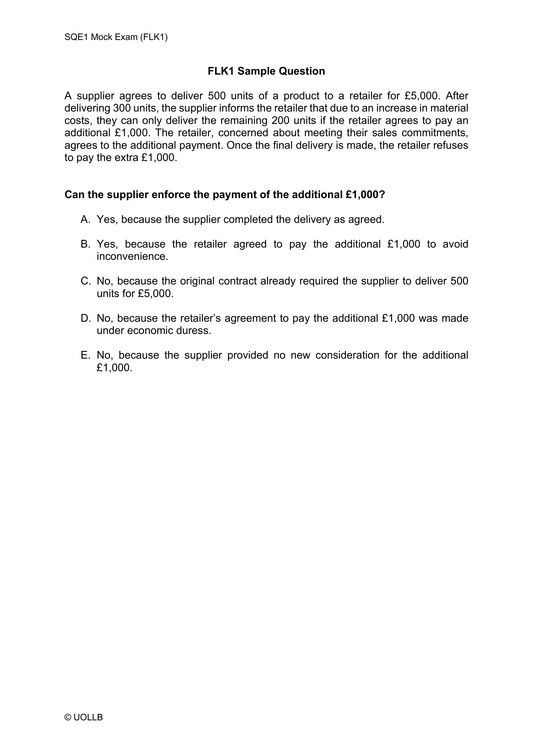
Another important strategy is to pay extreme attention to the wording of the question stem and answer choices. NextGen questions frequently include distractors that are legally plausible but do not directly answer the question posed. You must carefully evaluate each choice for its relevance, accuracy, and applicability to the scenario. It is not enough for an answer to be “true” in the abstract; it must specifically address the issue raised in the fact pattern. For instance, an answer may accurately describe a general rule of negligence but fail to account for a controlling defense in the scenario, such as assumption of risk or comparative fault. Recognizing these subtle distinctions often separates high-scoring examinees from those who struggle.
Time management is another critical consideration. The fact-intensive nature of NextGen questions can tempt you to spend disproportionate time on one question, potentially sacrificing performance on others. A disciplined approach involves first reading the fact pattern for comprehension, then identifying the relevant issues, and finally evaluating each answer choice in light of the law and the facts. In addition, you should be wary of overcomplicating questions; often, the correct answer rests on straightforward application of core principles rather than obscure or esoteric rules. Practicing this approach under timed conditions will help develop both speed and accuracy.
Finally, thorough preparation for NextGen standalone multiple-choice questions requires active engagement with the law, rather than passive memorization. Reviewing model answers, practicing integrated reasoning, and explaining your reasoning aloud or in writing can strengthen the ability to translate knowledge into analysis quickly. Understanding why incorrect answer choices are wrong is as important as knowing why the correct answer is right, because many NextGen distractors are designed to exploit common misconceptions or partial understandings. Over time, this method of active learning develops the precision and confidence necessary to excel under exam conditions.