National Conference of Bar Examiners (NCBE)
Share
The National Conference of Bar Examiners (NCBE) is a nonprofit organization that plays a central role in the licensing of lawyers in the United States. Founded in 1931, the organization develops standardized examinations and provides services that assist state bar authorities in determining whether candidates are qualified to practise law. Although the NCBE creates many of the tests used for bar admission, it does not license lawyers itself. Instead, each U.S. jurisdiction makes the final decision regarding who is admitted to the legal profession.
Purpose and Mission
The NCBE’s mission is to promote fairness, integrity, and best practices in the admission of lawyers in order to protect the public and support the legal system. The organization serves courts, bar admission authorities, legal educators, and bar applicants by providing high-quality testing materials, research, and educational resources related to the licensing process. Its work is intended to ensure that new lawyers possess the minimum level of knowledge, skills, and ethical understanding required to begin practicing law.
Standardized Bar Exams
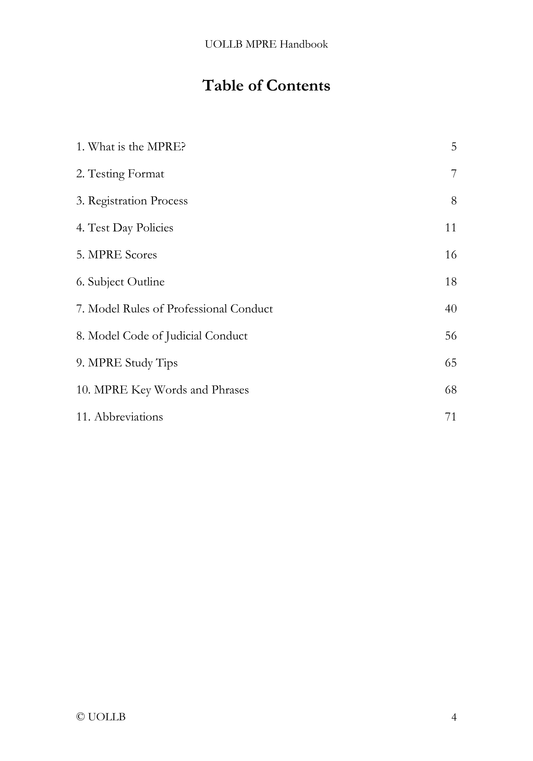
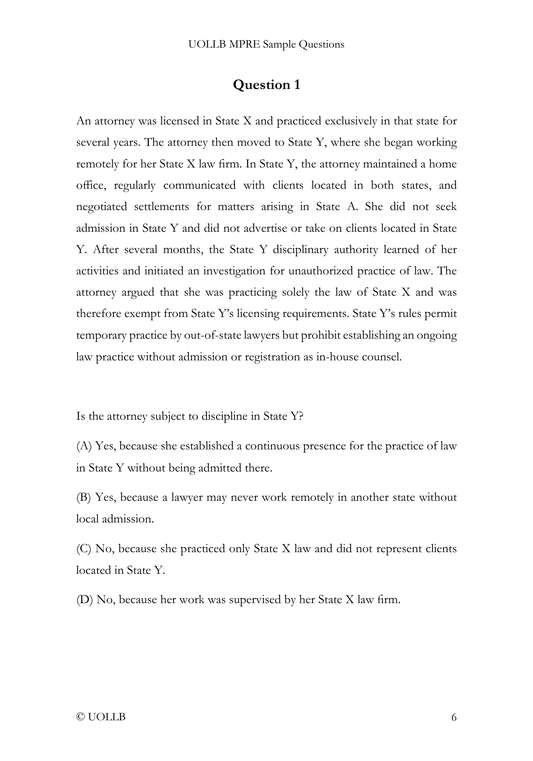
One of the NCBE’s most important functions is the development of standardized bar examinations used across many jurisdictions in the United States. The organization designs and produces several major exams, including the Multistate Bar Examination (MBE), Multistate Essay Examination (MEE), Multistate Performance Test (MPT), and the Multistate Professional Responsibility Examination (MPRE). These exams are widely used by state bar authorities as part of the licensing process.
The NCBE also created the Uniform Bar Examination (UBE), which combines the MBE, MEE, and MPT into a single standardized exam that can be administered by participating jurisdictions. The UBE allows candidates to transfer their scores between states that adopt the exam, providing greater flexibility in bar admission across jurisdictions.
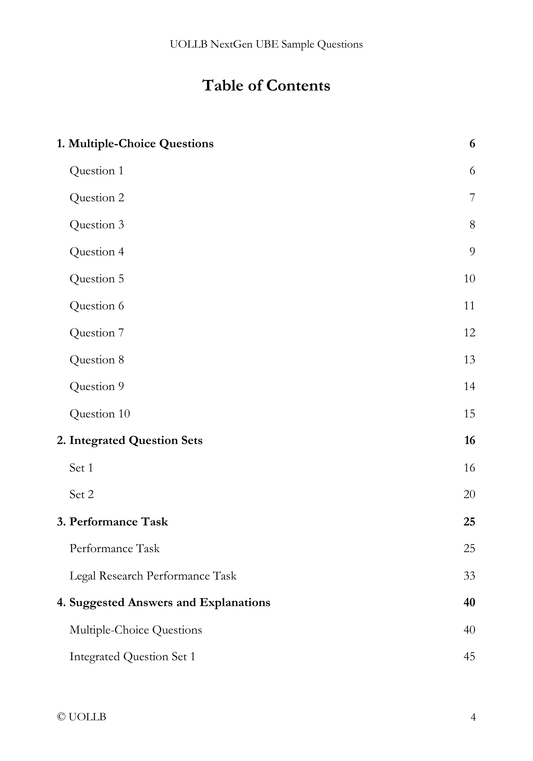
In recent years, it has undertaken major studies to modernize the bar examination and ensure that it reflects the skills required in contemporary legal practice. This work led to the creation of the NextGen UBE, which is designed to focus more on practical lawyering skills, legal analysis, and real-world legal tasks. The new exam is scheduled to begin implementation in several jurisdictions starting in 2026.
Character and Fitness Services
The NCBE also assists jurisdictions with character and fitness investigations, which are an essential part of the bar admission process. These investigations help determine whether applicants possess the honesty, integrity, and professional responsibility required to practice law. Although the NCBE conducts background investigations, the final decision regarding an applicant’s character and fitness is made by the relevant jurisdiction’s bar admissions authority or court.
National Coordination of Bar Admissions
Another important role of the NCBE is to act as a national clearinghouse for information about bar admissions and licensing standards. The organization works closely with state boards of bar examiners, courts, and legal educators to promote consistency and cooperation among jurisdictions. This collaboration helps ensure that the standards for admission to the legal profession remain rigorous, fair, and reliable across the United States.