The Shortcut to Qualifying as a Solicitor in England and Wales
Share
For UK law graduates with ambition and a willingness to think strategically, there exists a lesser-known but entirely legitimate route to dually qualifying as a solicitor in England and Wales and as attorney in a US jurisdiction. This pathway allows you to bypass Solicitors Qualifying Examination Stage 2 (SQE2) and Qualifying Work Experience (QWE) entirely, saving significant time and cost. It rewards those who are prepared to front-load their efforts by combining an English common law degree with admission to a US state bar. We explain below, step-by-step, how you can fast-track your admission to practise as a solicitor in England and Wales.
Step 1: Obtain an LLB
The journey begins in the conventional way: completing a full-time, on-campus three-year LLB at a recognised UK university. The on-campus, full-time requirement is not incidental. For those intending to subsequently sit the Uniform Bar Examination (UBE), many state bars impose strict scrutiny on the overseas legal education obtained. An in-person, campus-based common law LLB from a recognised institution is far more likely to satisfy the educational requirements of a US bar authority than a distance-learning or fast-track two-year equivalent. You should research the specific eligibility rules of your chosen UBE jurisdiction at an early stage, as requirements vary.
Step 2: Pass the UBE
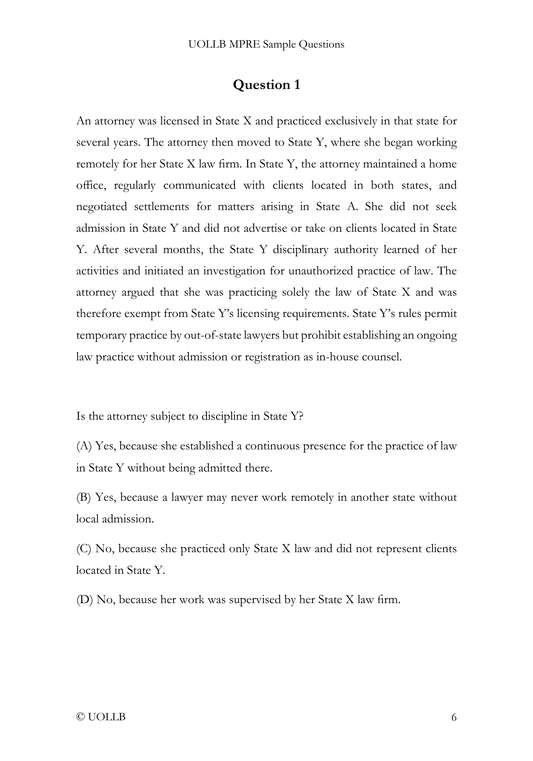
Once the LLB is in hand, the next step is qualifying to sit the UBE. The US has no single federal bar admission process; instead, each state or jurisdiction administers its own admissions, and foreign law graduates must apply to a jurisdiction that permits them to sit the UBE based on their overseas credentials. Jurisdictions such as New York State, New Hampshire, Alabama, and many others have admitted foreign-educated candidates, though the rules are subject to change and should always be verified directly with the relevant state bar. The applicant must typically demonstrate that their legal education is substantially equivalent to that of an American JD, and an accredited LLB can often satisfy this standard, sometimes with additional coursework requirements.
Step 3: Admitted to a State Bar
Having obtained permission to sit, you must then pass the UBE itself. The traditional UBE is a two-day exam consisting of the Multistate Bar Examination (MBE), the Multistate Essay Examination (MEE), and the Multistate Performance Test (MPT). However, this bar exam, with its final administration taking place in February 2028, is being phased out by the NextGen UBE, which is a shorter, integrated exam lasting 9 hours over one and a half days. Nonetheless, both exams are rigorous and require diligent preparation, typically involving several months of intensive study. Upon passing, you can be admitted as an attorney in your chosen US jurisdiction, subject to additional requirements, such as character and fitness, and pro bono requirements. Your admission to a state bar confers the status of a qualified lawyer in that jurisdiction and provides the credential that underpins the rest of this pathway.
Step 4: Obtain Two Years of PQE
Following admission, you must then accumulate two years of post-qualification experience (PQE) practising as a lawyer before you can be exempted from SQE2 and QWE. This experience must be genuine legal practice and is a mandatory condition. The work can be undertaken in the US, England and Wales, or another jurisdiction, provided it constitutes substantive legal practice as a qualified attorney or equivalent.
Step 5: Obtain Exemptions
It is at this point that the pathway reveals its most powerful advantage. Under the SQE framework, qualified lawyers from recognised jurisdictions, including US attorneys, who have at least two years of PQE may apply for exemptions from certain elements of the SQE. While both SQE1 and SQE2 are technically eligible for exemptions, it is typically the case that only the SQE2 exemption is granted. This allows you to bypass the skills-based assessment, which tests client interviewing, advocacy, case and transaction analysis, and legal research and writing. With a registration fee exceeding £2,400, SQE2 is a torturous five-day assessment of oral and written skills that demands exhaustive preparation. You can also be exempt from the QWE requirement, which requires two years of supervised legal work in England and Wales or another jurisdiction. These dual exemptions substantially reduce both the time and cost required to obtain dual qualifications compared to the standard route.
Step 6: Pass SQE1
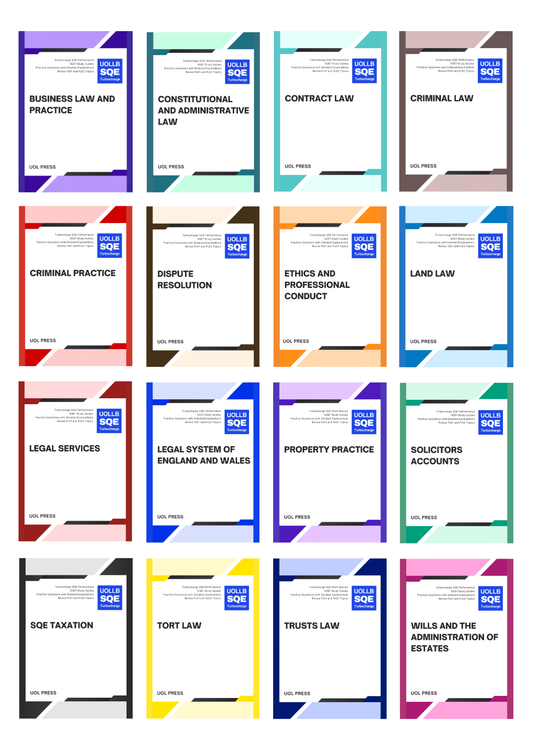
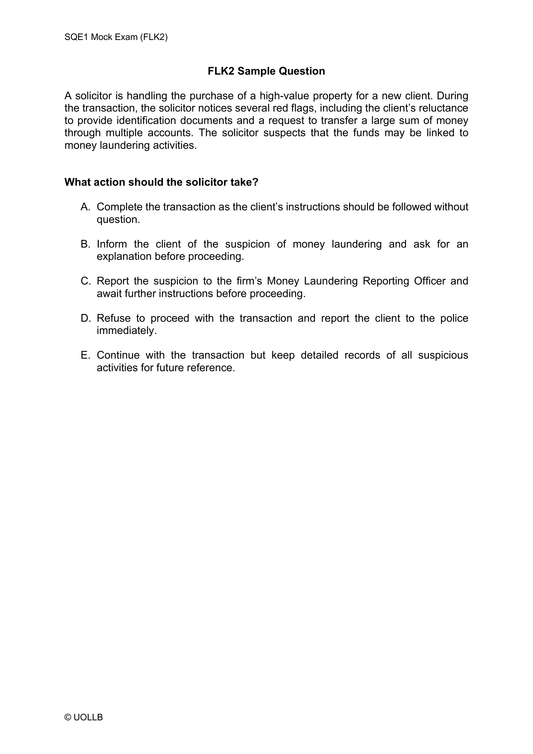
What remains is SQE1. This is a two-stage multiple-choice assessment testing functioning legal knowledge (FLK) across a broad range of English law topics, from contract and tort to criminal law, property, and professional conduct. Despite the exemptions obtained, SQE1 is normally not waivable. You must pass both FLK1 and FLK2 in order to proceed to admission. It is important that you allow adequate preparation time, as it is one of the most demanding professional examinations specifically focused on the law of England and Wales. US-trained attorneys even with an English LLB will need to top up their knowledge, as SQE1 tests vocational subjects not typically covered in an LLB, such as criminal practice, dispute resolution, property practice, and wills and the administration of estates, which were traditionally taught in the Legal Practice Course.
Step 7: Admitted to the Roll of Solicitors
With SQE1 passed and the application for exemptions approved by the SRA, you will be admitted to the Roll of Solicitors of England and Wales upon satisfying the character and suitability requirements. From that point, subject to holding a practising certificate, you are entitled to practise as a solicitor. The total saving compared to the standard SQE route is considerable. Not only is the SQE2 fee avoided, but the QWE is satisfied by practice undertaken as an US attorney. This means you can enter the English legal profession without having to serve an additional two-year supervised placement to fulfil the QWE requirement.