Alternatives to SQE
Share
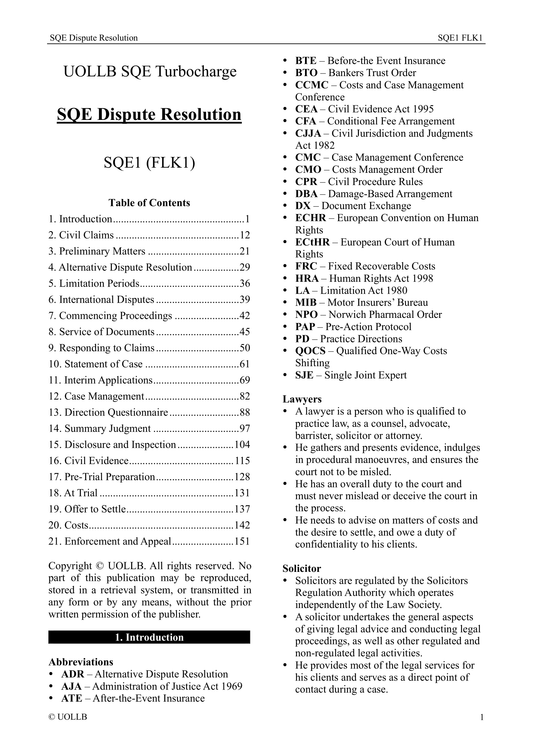
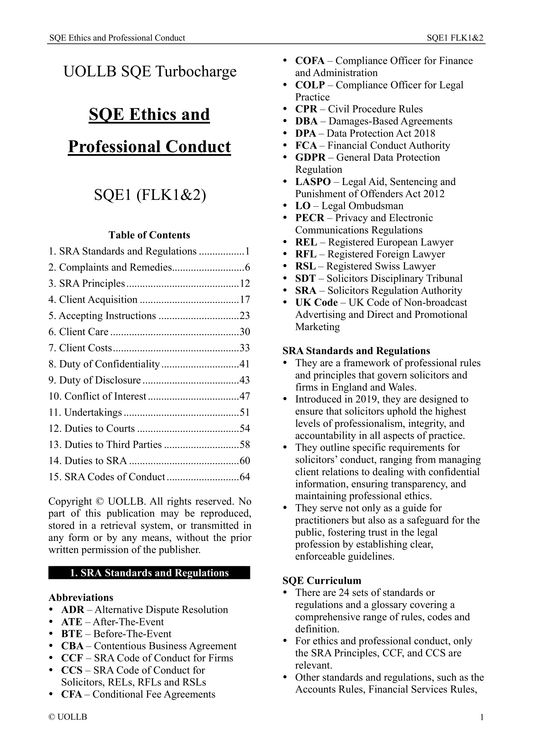
When people think about qualifying as a lawyer in England and Wales, the SQE usually dominates the conversation. As the route into the largest branch of the legal profession, it has become the default path most aspiring lawyers talk about. However, "lawyer" is a broad term covering a whole range of professionally qualified legal practitioners, not just solicitors. You absolutely need a recognised qualification to use the title, but the SQE is not the only door into that world. If you want to qualify without paying for the expensive SQE, we have mapped out 8 alternative pathways for you to consider.
Barrister
If your ambition has always been to stand up in court and argue a case, the Bar might be the natural fit rather than the solicitor route. Becoming a barrister means completing the Bar Training Course, which sits alongside the SQE in terms of difficulty and intensity but tends to come with a heavier price tag. It is not an easier and cheaper option by any means, but it leads somewhere quite distinct. Once qualified, you can call yourself a lawyer or a barrister, and you will be working in the more advocacy-focused, courtroom-driven side of the profession that many people associate with legal drama on television.
CILEX Lawyer
For those put off by the cost of either the SQE or the Bar course, CILEX offers a genuinely different way in. The CILEX Professional Qualification is considerably cheaper than the SQE or Bar Training Course. It is built with more flexibility, which makes it appealing to people who are working while they study or who did not take the traditional training contract path. Once qualified, you can describe yourself as a lawyer or a CILEX Lawyer, and it is a route that has earned a lot more respect and recognition in recent years as a legitimate way into legal practice.
CLC Lawyer
There are specialised routes, which suit people who already know they want to work in a particular niche rather than general practice. The CLC, or Council for Licensed Conveyancers, offers its own qualifications for those who want to focus specifically on property work or on wills and estates. Complete the CLC Conveyancing Qualification and you can call yourself a lawyer, a CLC Lawyer, or a Licensed Conveyancer. If you complete the CLC Probate Qualification instead, and you can use the title lawyer, CLC Lawyer, Probate Lawyer, or Licensed Probate Practitioner. Both routes are narrower in scope than the SQE, but that narrowness is exactly the point for people who know from early on that they want to specialise rather than qualify broadly.
IP Lawyer
Intellectual property is another area with its own dedicated pathway, split into two closely related qualifications. If trademarks are your interest, the Trademark Attorney Qualification lets you call yourself a lawyer, an IP lawyer, a trademark attorney, or simply a trademark lawyer. If your interest leans more towards inventions and technical innovation, the Patent Attorney Qualification opens up the title of lawyer, IP lawyer, patent attorney, or patent lawyer. These routes tend to appeal to people with science, engineering, or technical backgrounds who want to combine that expertise with legal practice, and they lead to careers that look quite different from mainstream solicitor or barrister work.
Costs Lawyer
There is also a qualification most people have never heard of unless they have worked near litigation, and that is the Costs Lawyer Professional Qualification. Costs lawyers specialise in the legal costs side of litigation, working out what should be charged and recovered, and it is a genuinely useful niche that keeps the wheels of the justice system turning. Qualify through this route and you can call yourself a lawyer or a costs lawyer.
Notary Public
Notarial practice is one of the oldest branches of legal practice still going. The Notarial Practice Course qualifies you as a notary. Once you have completed it, you can call yourself a lawyer, a notary public, or simply a notary. Notaries have a fairly specific role, mostly around witnessing and authenticating documents for use both in the UK and internationally, and it is a route that suits people who want a more independent, less adversarial style of legal work.
For aspiring lawyers who are concerned about the cost, difficulty or structure of the SQE, exploring these alternatives can be worthwhile. The right qualification may not be the one that is most widely advertised or discussed. It may be the one that leads directly to the area of law you are most interested in and gives you the professional status and career opportunities you are looking for.